Educational overview
The path toward a green Netherlands
The world is changing at an unprecedented pace. Natural resources are growing scarce, the climate is warming and the way we produce energy is under pressure. The Netherlands is among the first European nations to chart an ambitious path toward a clean, resilient society. This overview describes the three pillars of that transition: protection of the climate, the development of renewable energy and the future of responsible agriculture.
Global warming
The Royal Netherlands Meteorological Institute confirms that the average temperature in our region has risen by more than 2.3 °C since 1901. For a low-lying delta such as the Netherlands, that figure is no abstract number — it is a direct challenge for the protection of dikes, polders and biodiversity. The urgency is clear: without structural efforts to reduce emissions, coastal areas, drinking-water sources and landscapes risk irreversible change. Education and transparent communication are the first step. Citizens, schools and municipalities work together on local climate-adaptation plans focused on heat islands, green roofs and urban planting.
The role of the Netherlands in renewable energy
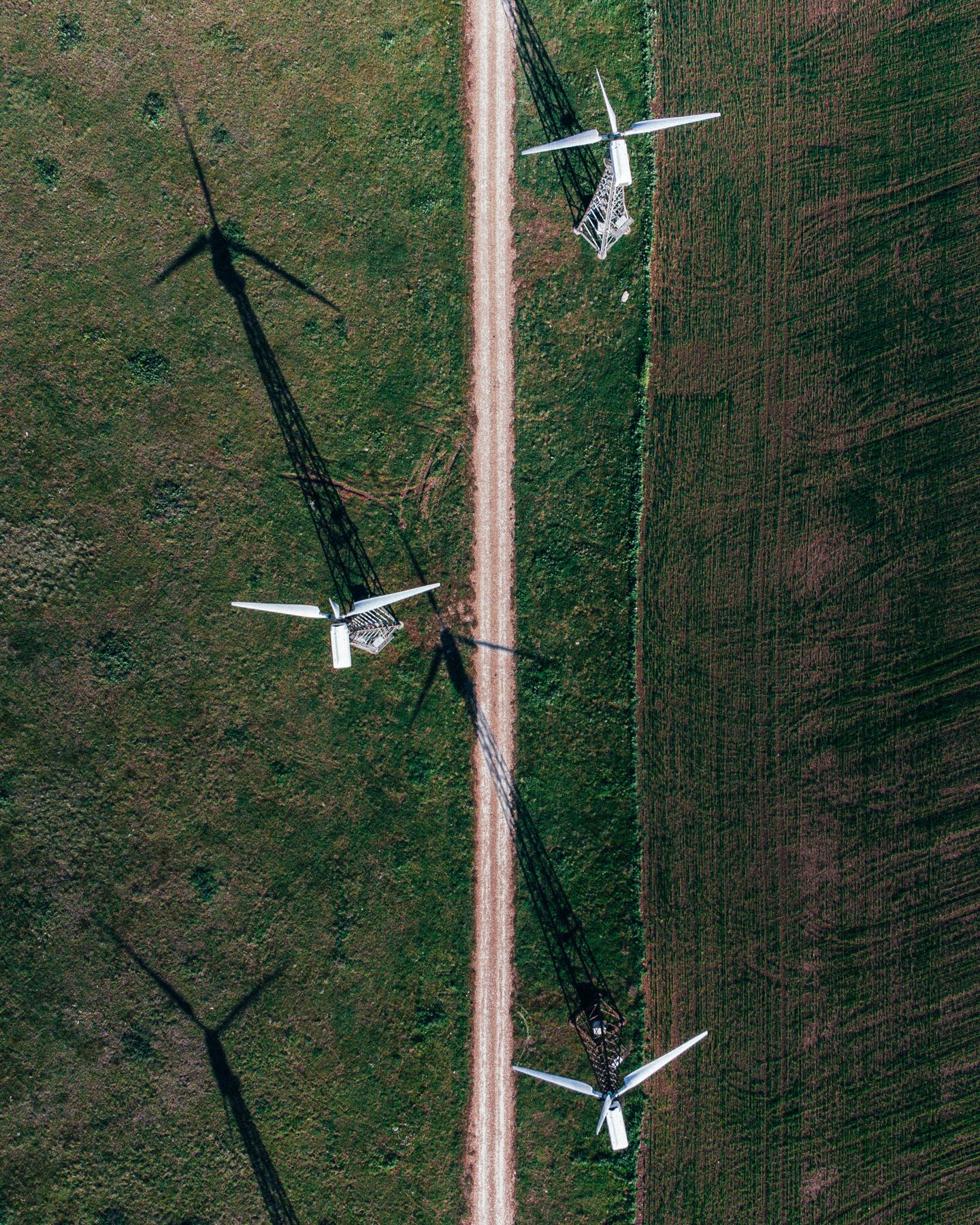
With more than five hundred onshore solar parks and vast offshore wind farms in the North Sea, the Netherlands has become one of Europe's fastest-growing markets for clean energy. The 2030 target — set out in the National Climate Agreement — is that at least 70% of all electricity is generated from renewable sources. Dutch energy cooperatives play a key role: they enable villages and neighbourhoods to become joint owners of their own generation. The development of green hydrogen in ports such as Rotterdam and Eemshaven must then make heavy industry and transport more sustainable. It is a gradual, methodical process, in which research, craftsmanship and public accountability stand central.
The future of agriculture
Dutch farmers are among the most innovative in the world. Under the umbrella of Agriculture 5.0, precision techniques, sensors and circular farming are being deployed to restore the soil, save water and lower emissions. Wageningen University & Research supervises hundreds of pilots combining nature-inclusive farming, agroforestry and local food chains. The aim is a responsible food supply that respects nature and offers farmers a fair income. For consumers it means more transparent supply chains, shorter transport distances and produce grown with care for the environment.
The vision of a green Netherlands is not a dream for twenty years from now — it is a daily exercise in cooperation, knowledge sharing and responsibility. By bringing protection, development and innovation together, we hand the next generation a healthy, vibrant living environment.